
Supporting Opinion

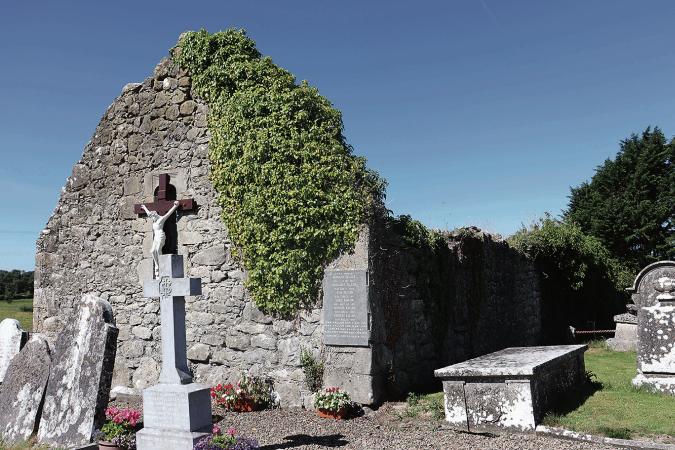
Ten Galway sites will share almost half a million euro after the Government’s weekend announced almost €7.5 million in state aid to protect archaeological monuments across the country and safeguard...
 Just Now
IT takes a special kind of stupid to punish one club for the sins of another, but that is what the FAI has done – and not for the fi...
IT takes a special kind of stupid to punish one club for the sins of another, but that is what the FAI hasRead More
Soccer Wrap with Mike Rafferty For the second week in succession Salthill Devon came from behind to defeat Mervue United, but whi...
Soccer Wrap with Mike Rafferty For the second week in succession Salthill Devon came from behind to defeat Mervue United, but while theRead More
By John Mulligan Corinthians will hope that home advantage proves to be their friend at the second time of asking in the league p...
By John Mulligan Corinthians will hope that home advantage proves to be their friend at the second time of asking in the leagueRead More

By Kevin Egan As players, league officials and media people milled around Athlone Town stadium last Thursday as part of TG4’s lau...
By Kevin Egan As players, league officials and media people milled around Athlone Town stadium last Thursday as part of TG4’s launch ofRead More
1924 Tourism development Galway Chamber of Commerce has resolved to call a meeting of all interested in tourist development fo...
1924 Tourism development Galway Chamber of Commerce has resolved to call a meeting of all interested in tourist development for Saturday week. WeRead More

Health, Beauty and Lifestyle with Denise McNamara After a year of colic despite being breast fed as well as constant chest infect...
Health, Beauty and Lifestyle with Denise McNamara After a year of colic despite being breast fed as well as constant chest infections andRead More

Country Living with Francis Farragher IF I had a euro for everyone I met over the course of the past month either complaining of ...
Country Living with Francis Farragher IF I had a euro for everyone I met over the course of the past month either complainingRead More



Galway’s Town Hall Theatre is one of seven venues nationwide hosting events for the third annual Lard Lasta National Arts Festival, ...
Galway’s Town Hall Theatre is one of seven venues nationwide hosting events for the third annual Lard Lasta National Arts Festival, which isRead More

Local comedian Karl MacDermott, a stalwart of the Irish comedy scene from 1989 to 1999, will be back in Galway City next Thursday, A...
Local comedian Karl MacDermott, a stalwart of the Irish comedy scene from 1989 to 1999, will be back in Galway City next Thursday,Read More

Oranmore singer Róisín El Cherif has released a new single, with all proceeds going to Médecins Sans Frontières’ Gaza Emergency Regi...
Oranmore singer Róisín El Cherif has released a new single, with all proceeds going to Médecins Sans Frontières’ Gaza Emergency Regional Fund. TheRead More
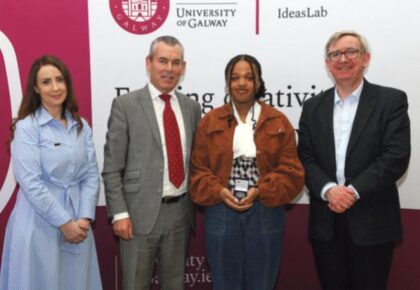
University of Galway and the Liffey Trust have announced that First Year Business Information Systems student Elizabeth Busari is th...
University of Galway and the Liffey Trust have announced that First Year Business Information Systems student Elizabeth Busari is the Séamus McDermott EntrepreneurialRead More
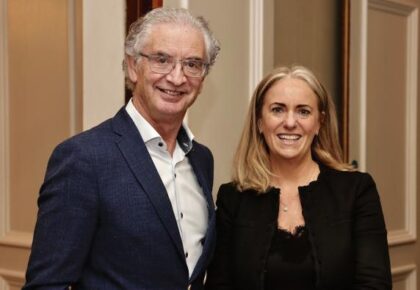
Some of Ireland's most successful, dynamic and game changing entrepreneurs gathered today at The Intercontinental Hotel in Dublin fo...
Some of Ireland's most successful, dynamic and game changing entrepreneurs gathered today at The Intercontinental Hotel in Dublin for the annual EY EntrepreneurRead More
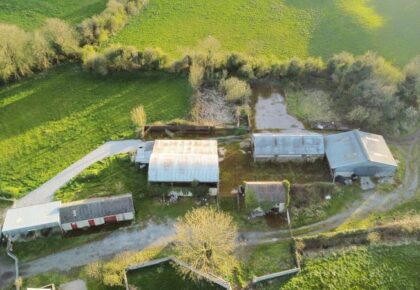
A 52 acre farm is for sale near Portumna. The land is in the townland of Cooldorragha and is 3 miles from Portumna town and 3 miles ...
A 52 acre farm is for sale near Portumna. The land is in the townland of Cooldorragha and is 3 miles from Portumna townRead More

Number 171 An Fiodán is a beautiful five-bed detached family home in Doughiska, on the eastern side of Galway City. Presented in ...
Number 171 An Fiodán is a beautiful five-bed detached family home in Doughiska, on the eastern side of Galway City. Presented in excellentRead More
Free Newsletter delivered twice weekly into your Inbox containing all the highlights from Galway from the pages of the Connacht Tribune and Galway City Tribune.



Drivers in Connacht are the ones most concerned with the lack of EV charging points in their area – with well over half of them citi...
Drivers in Connacht are the ones most concerned with the lack of EV charging points in their area – with well over halfRead More

Ford Ireland has provided more details of their new all-electric Explorer that will be arriving here in September. That’s when it go...
Ford Ireland has provided more details of their new all-electric Explorer that will be arriving here in September. That’s when it goes onRead More
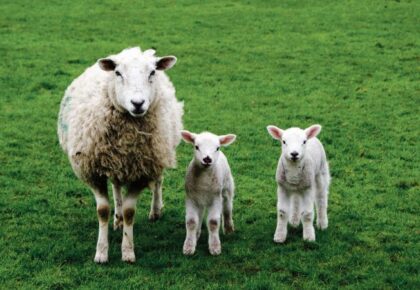
SHEEP farmers have been advised by the Dept. of Agriculture to be aware of the health risks posed to young lambs and calves by what ...
SHEEP farmers have been advised by the Dept. of Agriculture to be aware of the health risks posed to young lambs and calvesRead More
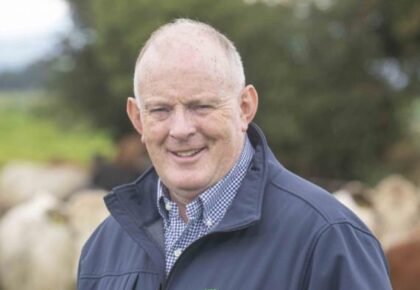
THERE has been a mixed reaction to the announcement last weekend by Agriculture Minister, Charlie McConalogue, of the €100 per hecta...
THERE has been a mixed reaction to the announcement last weekend by Agriculture Minister, Charlie McConalogue, of the €100 per hectare tillage supportRead More
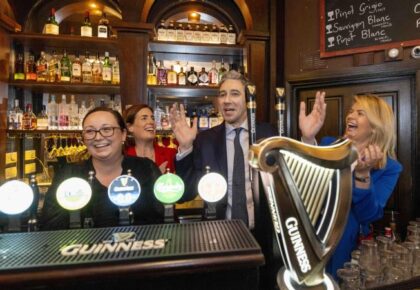
Bradley Bytes – A sort of political column by Dara Bradley There was a small rump in Fine Gael in Galway last week secretly celeb...
Bradley Bytes – A sort of political column by Dara Bradley There was a small rump in Fine Gael in Galway last weekRead More
A Different View with Dave O’Connell It’s 75 years ago this June that a small seven-inch or twelve-inch piece of black plastic, t...
A Different View with Dave O’Connell It’s 75 years ago this June that a small seven-inch or twelve-inch piece of black plastic, timedRead More

World of Politics with Harry McGee Ard Fheis season is in full swing, with Fine Gael and Fianna Fáil over the last two weekends a...
World of Politics with Harry McGee Ard Fheis season is in full swing, with Fine Gael and Fianna Fáil over the last twoRead More
© Copyright 2023 - Ourside Agency






;)
;)
;)